I Have Drawings or Datasheets
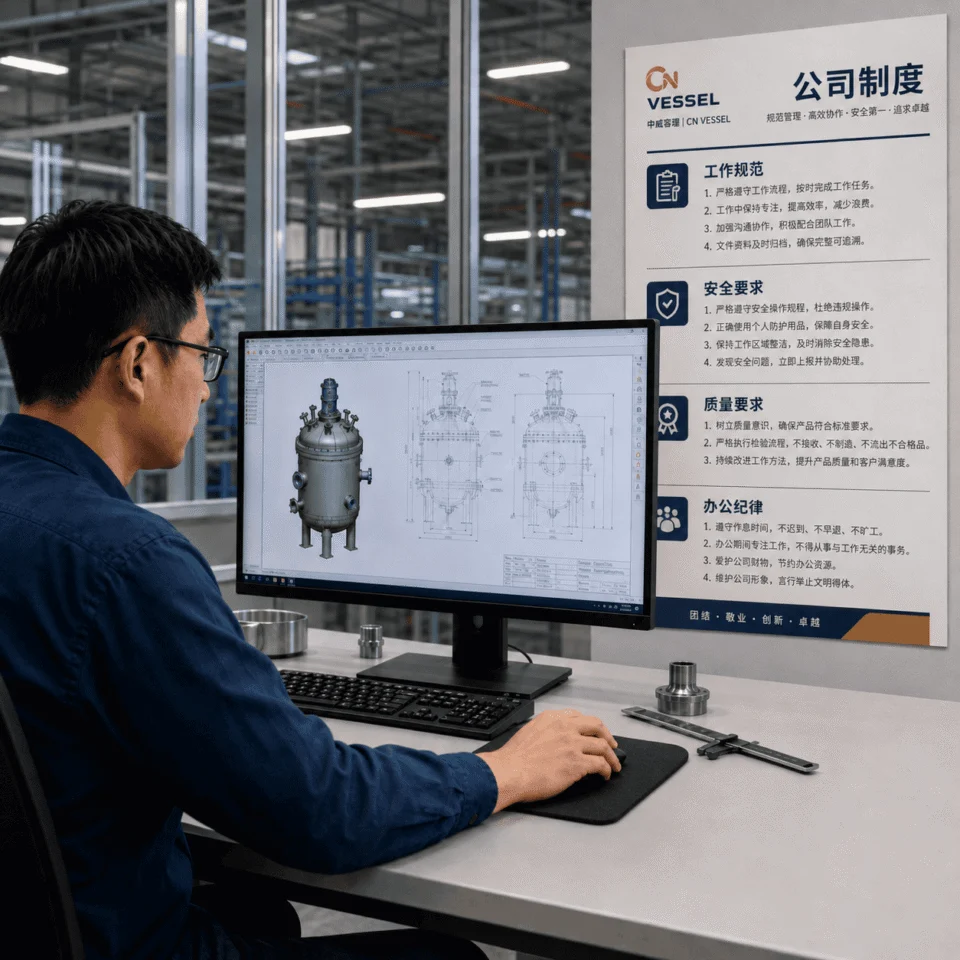
Already have vessel drawings, fabrication drawings, P&IDs or a process datasheet? Send them to us together with your required material, design standard and inspection requirements for manufacturing review and quotation.
Custom pressure vessels and process equipment manufactured in China for chemical, petrochemical, pharmaceutical, food, water treatment, energy and other industrial applications.
Send us your drawings, datasheet or operating conditions. Our engineering and manufacturing team can review the vessel configuration, materials, pressure requirements, nozzles, inspection requirements and fabrication details before production.
Whether you already have approved drawings, only basic operating conditions, or are still comparing equipment options, start with the information you have. We can review the project from there.
Already have vessel drawings, fabrication drawings, P&IDs or a process datasheet? Send them to us together with your required material, design standard and inspection requirements for manufacturing review and quotation.
Tell us the process medium, required capacity, working pressure, temperature and any known material requirements. We can review the basic vessel configuration and identify what information still needs to be confirmed before fabrication.
Browse pressure vessels, reactors, storage tanks, heat exchangers, columns, separators and process skids to compare configurations for different process duties.
If your project includes several vessels, pumps, valves, piping, instruments or heat-transfer equipment, we can review whether the equipment can be integrated into a skid-mounted process system.
From pressure vessels and reactors to heat exchangers, separation equipment and complete process skids, ChannelVessel manufactures equipment around your operating conditions, materials, process duty and project specifications.

Custom pressure vessels engineered for pressure, temperature, media, material and code requirements across industrial process applications.

Storage tanks manufactured for raw materials, intermediate liquids and finished products with the right material, structure and surface finish for your process.

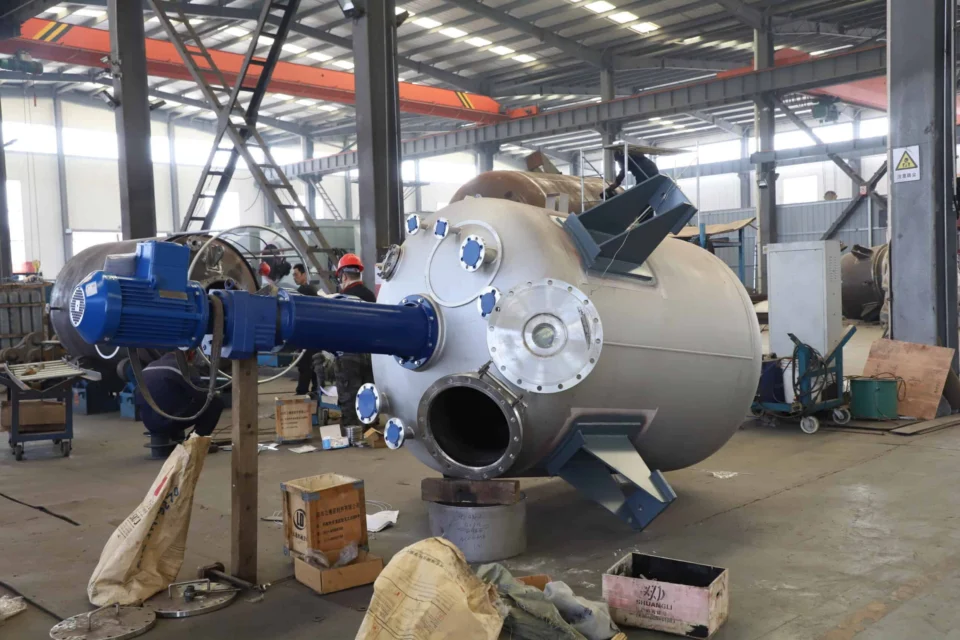
Reactor vessels designed for mixing, heat transfer and chemical reaction duties based on your pressure, temperature, agitation and material requirements.

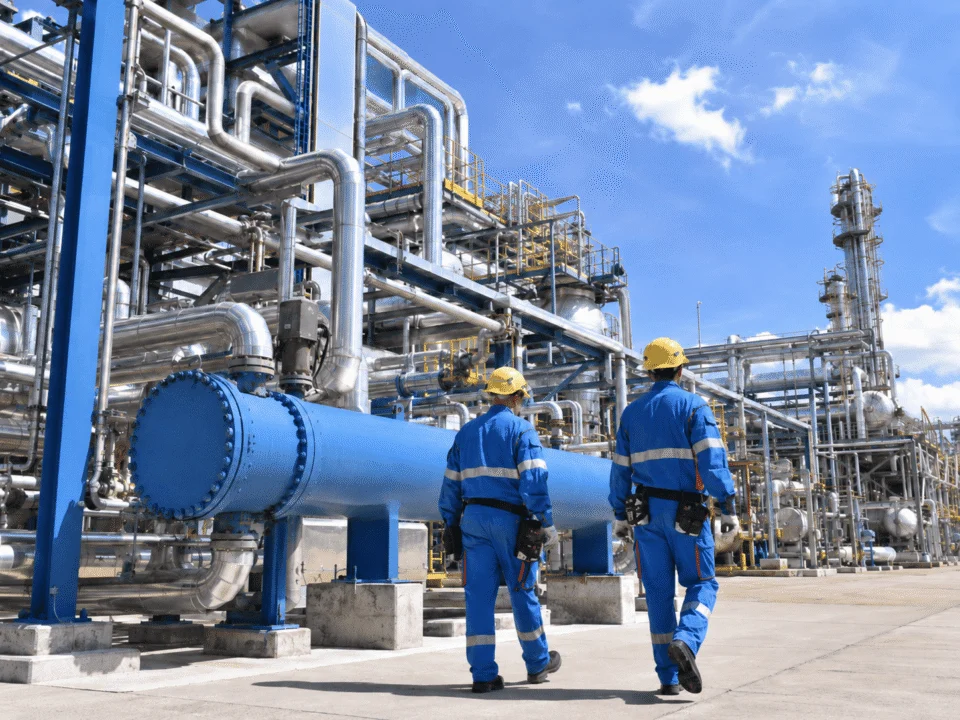
Heat exchangers configured around process temperature, pressure, media and thermal duty for heating, cooling, condensing and heat recovery applications.

Columns and towers manufactured for distillation, absorption, stripping and related mass transfer processes, with the right shell design and internal configuration.

Separation and filtration vessels designed around phase separation, filtration duty, flow conditions and required internals.

Integrated skid-mounted systems combining vessels, piping, pumps, valves, instruments and related process equipment.
Before fabrication starts, our engineering team reviews the operating conditions, materials, vessel configuration, pressure requirements, nozzles, internals and project specifications to identify details that need to be confirmed before production.

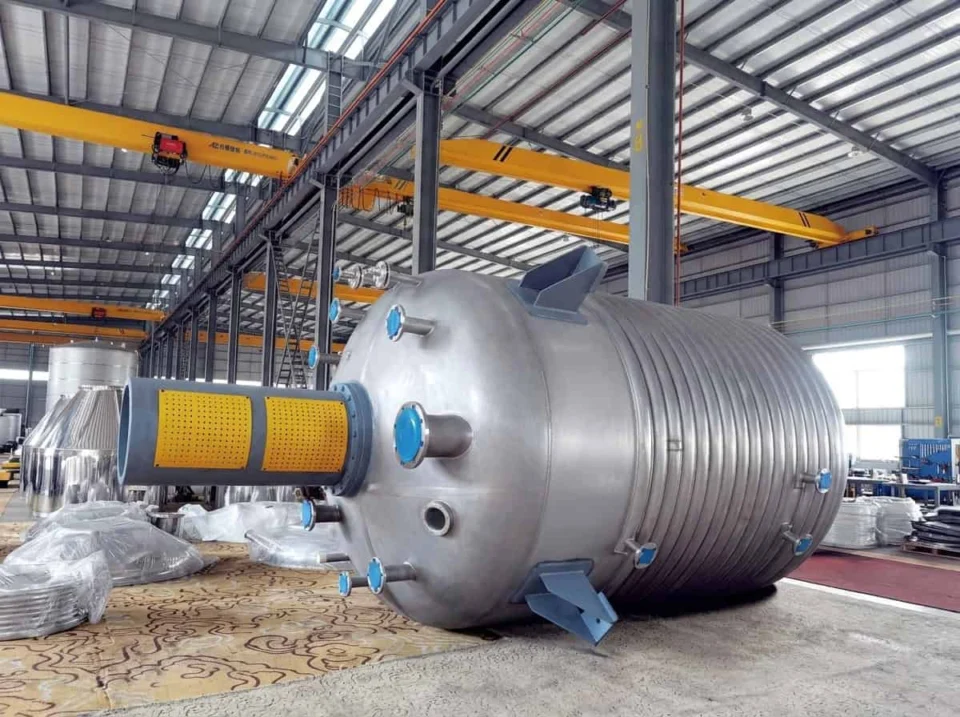
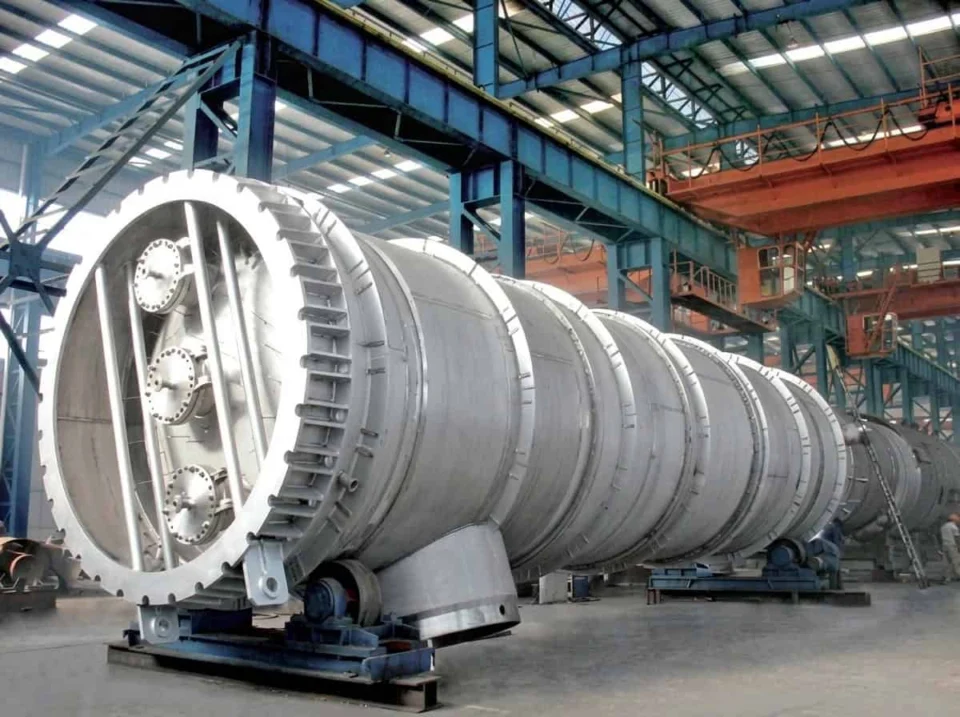
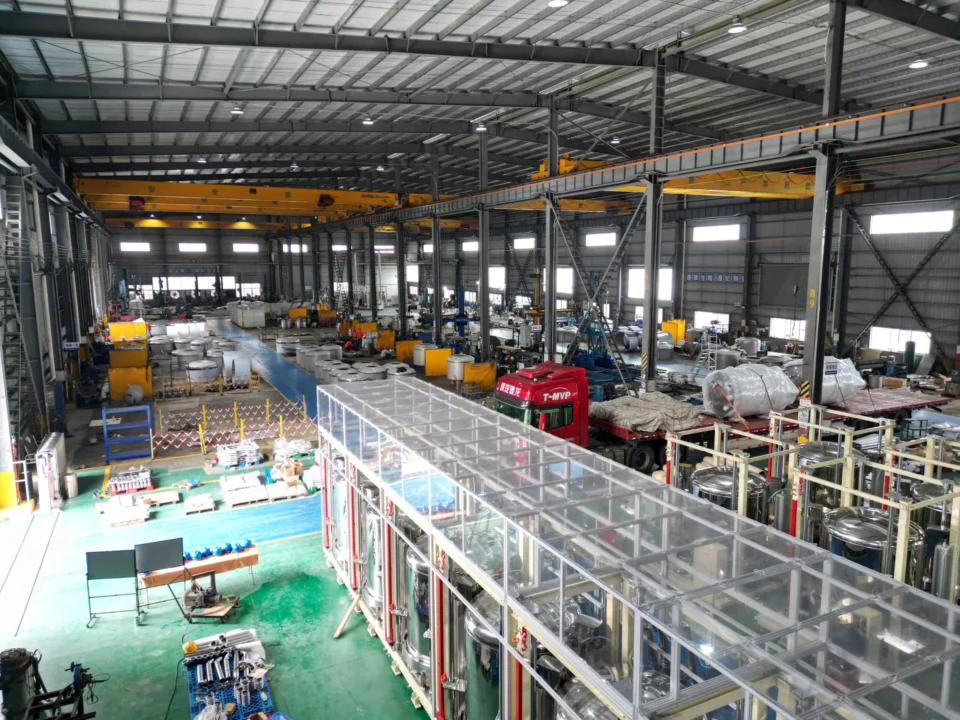
ChannelVessel manufactures pressure vessels and process equipment in a large-scale production base with the space, fabrication resources and project coordination needed for custom industrial equipment. The facility supports both individual vessels and larger multi-equipment projects, including oversized equipment and integrated process systems.

Production space supports custom pressure vessels, reactors, storage tanks, columns, heat exchangers and integrated process equipment.


Manufacturing space and fabrication resources are organized to support different vessel sizes, materials and project configurations.
Production space supports large pressure vessels, columns, reactors and other custom equipment requiring substantial fabrication and handling space.
Manufacturing capacity can support projects involving multiple vessels or different equipment packages that need to be coordinated within one order.
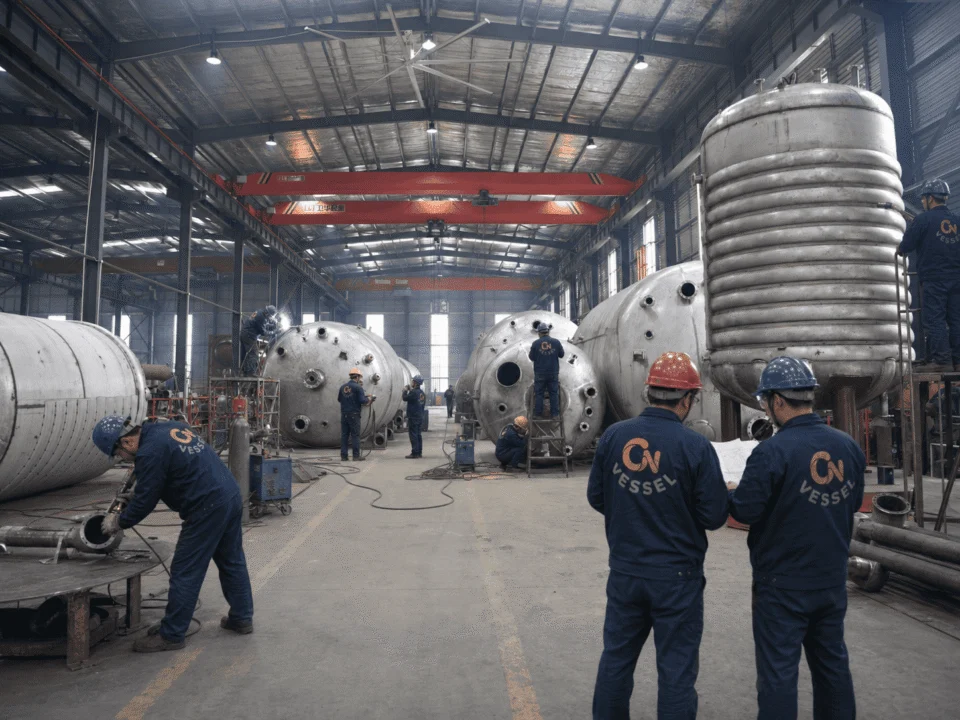
Fabrication resources are arranged for stainless steel, carbon steel and project-specified materials according to equipment and service requirements.
Assembly space supports vessels together with piping, pumps, valves, instruments and other components used in skid-mounted process systems.
Once drawings and project requirements are approved, production moves through controlled material preparation, forming, welding, assembly and in-process checks before the equipment enters final inspection and shipment preparation.
Approved drawings, material requirements and project specifications are released to production before fabrication begins.
Required materials are prepared, identified and cut according to the approved fabrication drawings and production requirements.
Plate materials are rolled or formed into shell courses, heads and other vessel components according to the required dimensions.
Shell sections, heads, nozzles, supports and structural components are fitted and welded according to approved fabrication requirements.
Nozzles, manways, supports, jackets, internals and accessories are assembled while key interfaces are checked against approved drawings.
Blasting, painting, pickling, passivation or polishing is arranged according to vessel material and project requirements.
Finished equipment proceeds to the required final inspection, testing and release procedures before packing and shipment preparation.


Pressure vessels and process equipment are used under very different operating conditions across industries. Material compatibility, cleanliness, corrosion resistance, process control and equipment configuration all depend on the application.

Corrosive media, reaction duties and process-specific material requirements for chemical production systems.
Explore Chemical Industry
Pressure, temperature and continuous process duties for industrial petrochemical production systems.
Explore Petrochemical Industry
Separation, storage and pressure-containing equipment for demanding oil and gas process conditions.
Explore Oil & Gas Industry
Cleanability, material control and equipment configurations for controlled pharmaceutical production environments.
Explore Pharmaceutical Industry
Hygienic product contact surfaces, cleaning requirements and process temperature control for food and beverage production.
Explore Food & Beverage
Sanitary storage, heating, cooling and product handling requirements for dairy processing lines.
Explore Dairy Industry
Fermentation, storage, temperature control and sanitary process requirements for beverage production systems.
Explore Brewing & Fermentation
Storage, filtration, separation and chemical treatment requirements across industrial water processing systems.
Explore Water Treatment
Process equipment requirements for material preparation, chemical handling and energy-related production systems.
Explore New EnergyInspection is carried out at defined stages of fabrication to verify materials, dimensions, welded joints, pressure-containing boundaries and final equipment condition against approved drawings and project requirements.


Material identity and specified grade are checked before relevant components enter fabrication.
Critical vessel dimensions, nozzle locations, flange orientation, supports and other interfaces are checked against approved drawings.
Welded joints are inspected, with non-destructive examination arranged according to applicable project and inspection requirements.
The pressure boundary is tested according to approved inspection requirements before equipment release.
Final equipment condition, interfaces, accessories, nameplate information and release requirements are checked before packing.
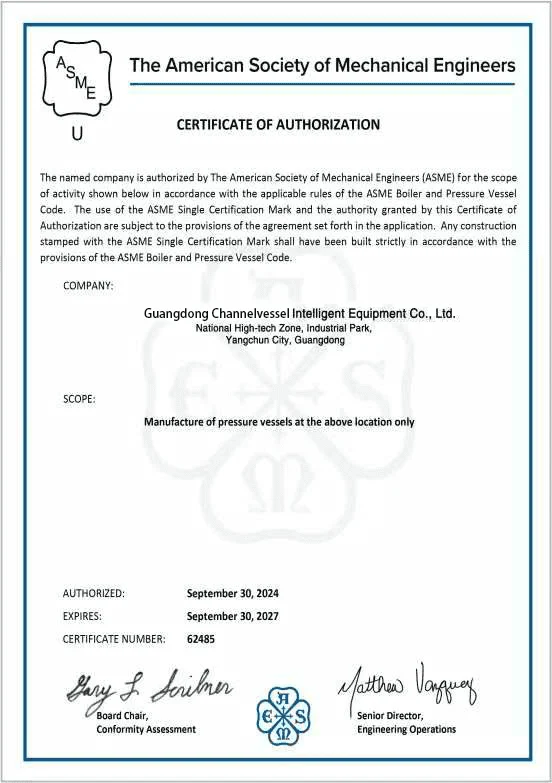
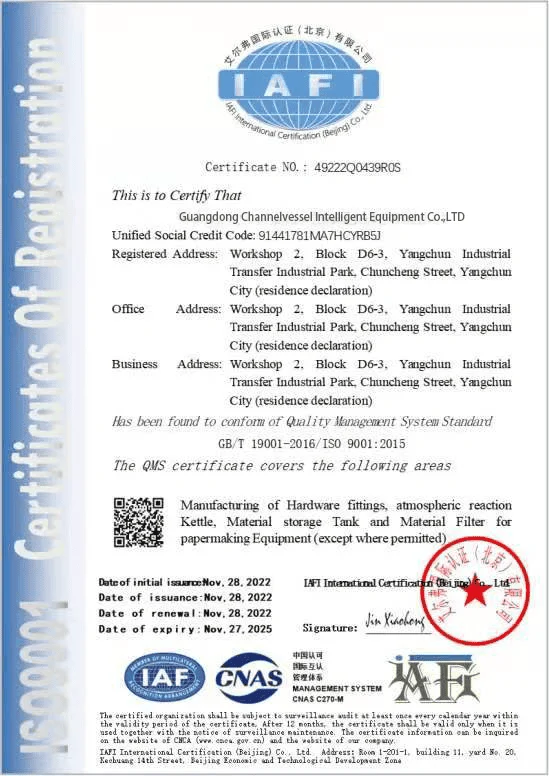
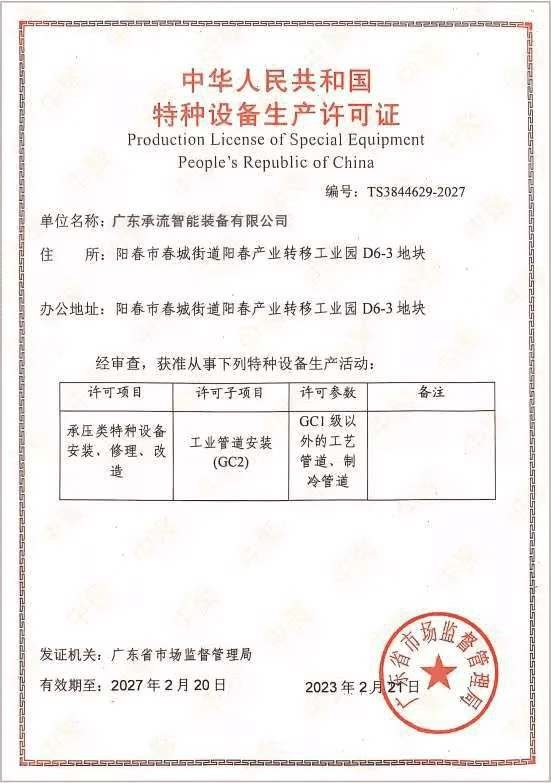
Key certifications and manufacturing licenses support our pressure vessel production, quality management and regulated equipment work for applicable projects.


ASME certification supports pressure vessel projects requiring fabrication to applicable ASME code requirements and the confirmed project scope.
A pressure vessel can be fabricated correctly and still become a project problem if the scope, drawing revision, site interfaces or delivery conditions are wrong. These details need to be locked before they become expensive to change.
Define what is supplied, excluded, shipped loose or handled by others before fabrication moves forward.
“We Thought That Was Included.”
Platforms, ladders, instruments, internal parts, insulation, supports or loose accessories can become scope disputes if they are not defined before the order is released. The project basis should make clear what is supplied, what is excluded and what will be delivered separately.
“That Is Not the Drawing We Approved.”
A late nozzle change or interface revision can affect fabrication, piping connection and site installation. Current revisions need to be clearly identified before affected work continues, especially when several engineers, EPC parties or end users are involved.
“The Vessel Is Right. The Interface Is Wrong.”
Nozzle orientation, support position, lifting points, access space and connection interfaces affect whether the equipment can actually be installed as planned. These details matter just as much as vessel diameter, pressure and material.
“Finished Equipment Should Not Create a Logistics Problem.”
Large vessels may exceed standard container dimensions or require specific lifting, packing and transport arrangements. Shipment constraints should be considered before the equipment is fully assembled, not after it is standing finished in the workshop.
You do not need a completed fabrication drawing to start. Send us the process conditions and project requirements you already know. The more clearly the design basis is defined, the fewer assumptions need to be built into the quotation.
Tell us what equipment you need or what process function the equipment needs to perform.
If the equipment type is not yet confirmed, describe the process duty and what the equipment needs to achieve.
Existing project files can help reduce assumptions and show what still needs to be confirmed before quotation.
Custom equipment projects often raise commercial and project questions that are not covered by the technical specification alone. Here are several points buyers commonly want to clarify before moving forward.
The cost depends on vessel size, design pressure and temperature, material grade, wall thickness, nozzles, internals, surface treatment, inspection requirements and certification scope. A stainless steel vessel with extensive internals or special inspection requirements will be priced differently from a basic carbon steel vessel of the same capacity. For a meaningful quotation, we normally need the main operating conditions and equipment scope rather than capacity alone.
Manufacturing time depends on equipment size, material availability, fabrication complexity, inspection requirements and the number of units in the project. Large vessels, special materials, extensive internals or third-party inspection normally require more planning than a simple standard vessel. The project schedule should therefore be confirmed after the technical scope and drawing requirements are clear, rather than estimated from vessel capacity alone.
Custom pressure vessel projects do not always require a large batch. A requirement may involve one custom vessel, several identical units or a package containing different types of process equipment. The manufacturing approach and quotation are based on the actual project scope, so buyers can discuss both single-equipment requirements and larger project packages with us.
Yes. Replacement projects can start from existing drawings, equipment data, nameplate information or site measurements provided by the customer. The new equipment should not simply copy an old vessel without review, especially if operating conditions, materials, connections or applicable requirements have changed. Existing information can be used as the starting point while the current project basis is reconfirmed before fabrication.
Yes. A project may include more than one equipment type, such as pressure vessels, reactors, storage tanks, heat exchangers, separators, columns or skid-mounted systems. When several equipment items belong to the same project, interface requirements, equipment numbering, documentation and delivery planning can be coordinated under the agreed project scope rather than treating every item as an unrelated purchase.
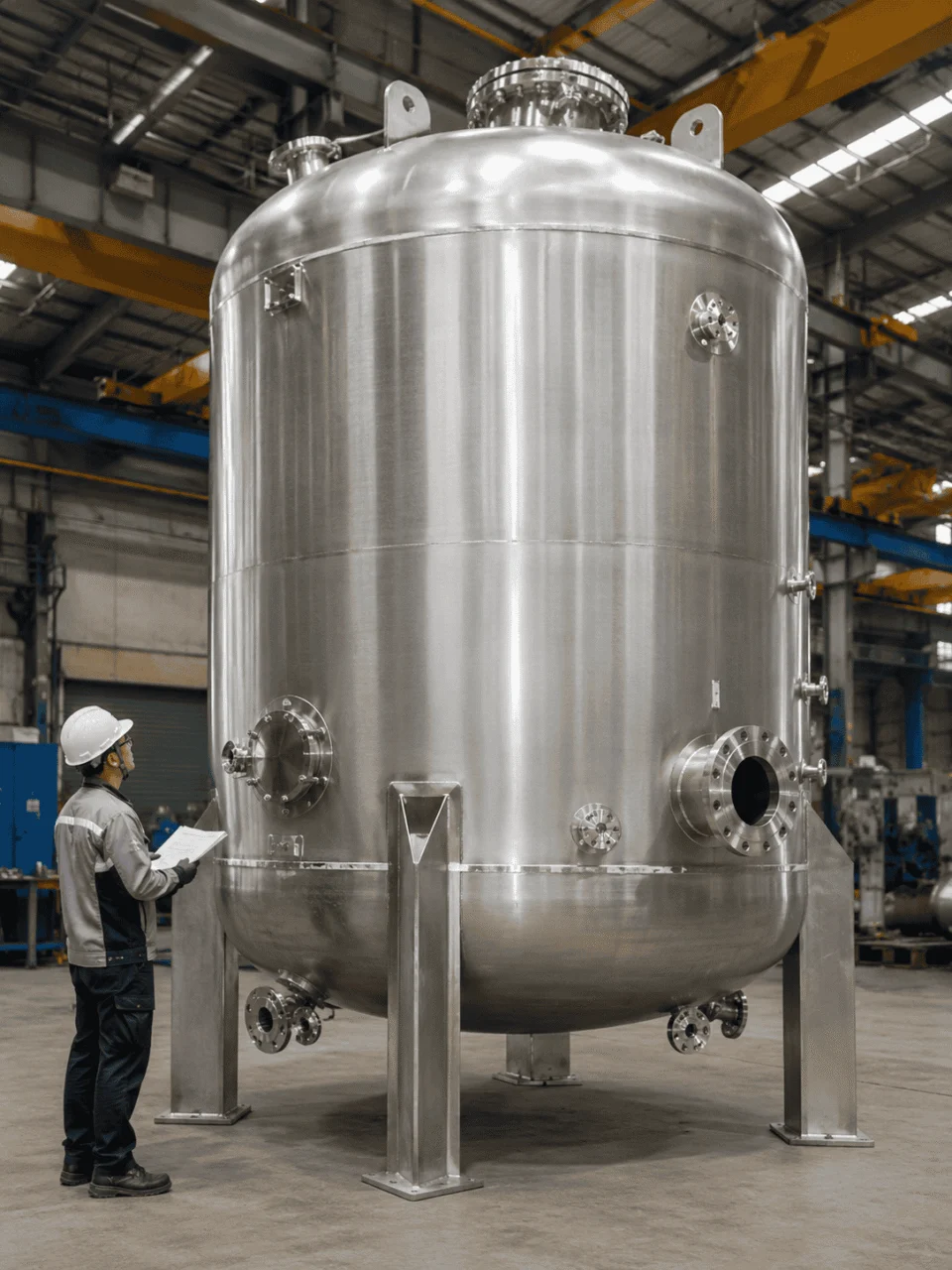
Changes can affect material quantity, vessel configuration, interfaces, inspection scope, documentation and delivery schedule. When a technical requirement changes after quotation or order confirmation, the affected scope should be reviewed before the revised work proceeds. This helps both sides understand whether the change affects price, drawing approval, manufacturing status or delivery timing.
Send us your drawing, datasheet or the operating conditions you already have. We can review the project basis and identify the key technical details that need to be confirmed before quotation and fabrication.

Upload your drawings, datasheets or existing specifications. Our engineering team will review the files and respond with technical feedback.
Drawings, specifications and process requirements
Project files are used only for technical review and quotation
Clearer inputs help us respond more accurately and efficiently
Upload your drawings, datasheets or specifications. Our engineering team will review your files and provide technical feedback.
Tell us what you need. Our engineering team will review your requirements and respond within 12 hours.
From concept to certified manufacturing
ASME, PED and other international standards
Direct access to our engineering team
Tell us what you need. Our engineering team will review your requirements and respond within 12 hours.